If you have spent any time scrolling through Facebook, X (formerly Twitter), or LinkedIn lately, you’ve likely been hit with a wall of "wellness prescriptions." You know the type: eat only raw kale, wake up at 4:30 AM to hit the gym for two hours, buy this $200 serum, and swallow a dozen supplements. It’s exhausting just reading it, isn’t it?
After six years of focusing specifically on midlife wellness, I have learned one fundamental truth: if your wellness plan looks like a full-time job, you are going to quit. We are not looking for a "new you" or a "before-and-after" miracle. We are looking for a version of *you* that has enough energy to get through the afternoon without needing three shots of espresso and a nap on the kitchen floor.
Today, we’re going to talk about how to build a personal wellness plan that ignores the hype and focuses on the boring, beautiful science of habit design. And before we go any further, I want you to ask yourself: Can I do this on a bad Tuesday? If the answer is no, we need to scale it back.
The Myth of the Price Tag: Why Wellness Isn't a Luxury Purchase
One of the most persistent myths I fight against in this industry is that health is a line item in your budget that requires fiftiesweb.com a six-figure salary. We are told we need high-end gym memberships, artisanal meal delivery kits, and an array of supplements that require their own shelf space. Let’s get one thing clear: wellness is not something you buy. It’s something you do.
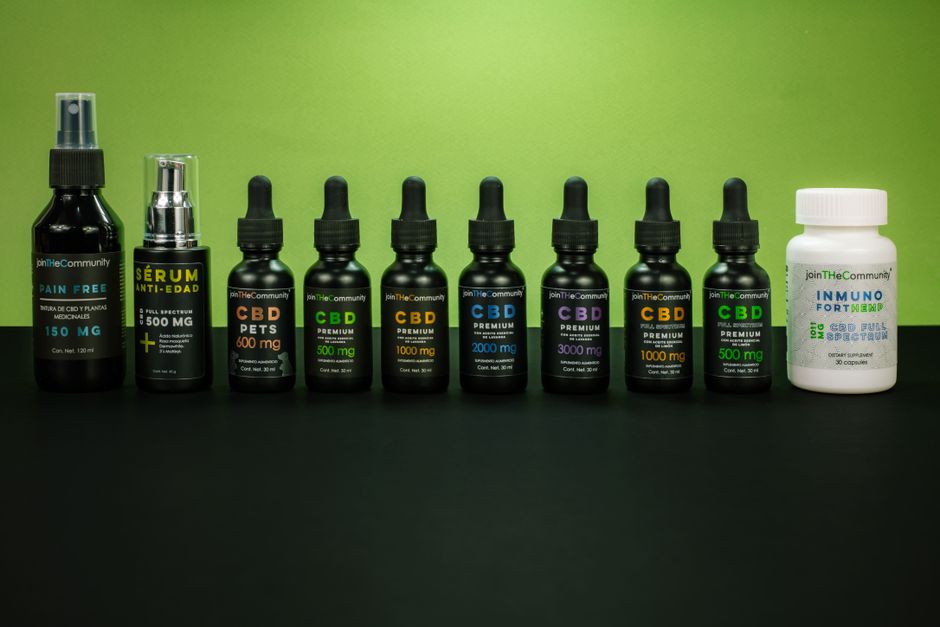

The most effective health habits are often completely free. When you feel pressured to spend money to "fix" your health, you are falling for a marketing trap, not a biological necessity. You do not need six products to get a better night's sleep; you need a consistent schedule and a dark room. You don't need a premium athletic club membership; you need a pair of shoes and a sidewalk.
Step 1: Sustainable Nutrition (Without the "Diet" Language)
Let’s steer clear of shaming language regarding weight or body size. Your nutrition plan should be about fuel, not punishment. If you try to overhaul your entire kitchen on a Monday, you’ll be ordering pizza by Wednesday night. Instead, focus on habit design.
- The "Add, Don't Subtract" Rule: Instead of banning foods, aim to add one serving of fiber-rich vegetables to your lunch. That’s it. One change. Hydration as a Baseline: Before you reach for another coffee, drink a glass of water. It sounds simplistic, but you’d be surprised how much "afternoon fatigue" is just mild dehydration. Listen to the Experts: When I look for nutritional guidance, I start at nhs.uk. It is evidence-based, devoid of miracle claims, and free. It’s the gold standard for separating nutritional science from influencer trends.
Step 2: Consistent, Low-Impact Movement
I hear people say, "If I’m not sweating buckets, I’m not working out." That’s a recipe for burnout and injury, especially in midlife. Low-impact movement is the unsung hero of long-term wellness. Think of it as "movement snacks" rather than "workouts."
Activity Why it sticks Can you do it on a bad Tuesday? 15-minute brisk walk Accessible, free, clears the head. Yes. Gentle mobility/stretching No equipment, lowers cortisol. Yes. Gardening or yard work Functional movement, outdoor time. Yes.By shifting your focus to movement that feels good, you stop viewing exercise as a chore and start viewing it as a moment of reprieve. If you're looking for community support or guidance, sites like Fifties Web are wonderful for finding like-minded people who understand that life is busy and fitness shouldn't be the thing that breaks your schedule.
Step 3: Sleep Hygiene is Your Primary Wellness Tool
If you don't sleep, your body doesn't repair. Period. You can eat all the kale you want, but if you’re operating on four hours of interrupted sleep, you’re not going to feel well.
Sleep hygiene is about creating a "wind-down ritual" that tells your brain it’s time to clock out. This isn't about buying a $100 silk pillowcase. It’s about:
Dimming the lights: Create a "low-light" zone in your house an hour before bed. Screen discipline: Put the phone away. If you must use a device, ensure it's in night mode. Mindful support: Sometimes, our brains won't turn off. For those evenings where tension is high, some find gentle, plant-based support like those offered at Releaf (releaf.co.uk) useful for managing the "noise" of the day, helping to establish a more peaceful transition into rest.The Comparison Chart: Trendy vs. Sustainable
I like to keep a running list of "tiny changes that actually stick." Here is how you can spot the difference between a trap and a sustainable routine.
The "Trendy" Way (Avoid) The "Sustainable" Way (Do) Buying a $300 juicer Eating an extra piece of fruit daily Intense HIIT workouts daily Daily 20-minute walk "Detox" teas Drinking more water Rigid, "perfect" schedules Flexible routines that adapt to lifeWhy "Bad Tuesdays" Matter
The biggest mistake most people make when they start a wellness plan is designing it for their "best self"—the version of themselves who has eight hours of sleep, a calm inbox, and no chores. But real life happens on "bad Tuesdays."
A bad Tuesday is when your kid is sick, your boss wants a last-minute report, the car won't start, and you just want to collapse on the sofa with a bag of crisps. If your wellness plan doesn't have a version for your bad Tuesday, it isn't a sustainable plan. It’s a fantasy.
On a bad Tuesday, your wellness plan should be:
- Drink a glass of water. Walk to the mailbox (or walk around the block). Go to bed 15 minutes earlier than usual.
That’s it. If you do those three things, you have kept your commitment. You haven't failed. You have adapted. That is the essence of habit design: building a structure so flexible that it can bend without breaking.
Final Thoughts: Taking Control of the Noise
Building a personal wellness plan is an act of rebellion against an industry that wants you to feel like you aren't enough. You are enough, and your health is already yours to nurture. You don't need a certificate of completion, and you certainly don't need to post your "progress" on Reddit or LinkedIn to prove you’re healthy.
Take what you need from the NHS guidance, lean into community hubs like Fifties Web for shared experience, and if you choose to explore botanical tools like Releaf to help with your nightly routine, make sure it’s because it works for *you*, not because a TikTok influencer told you to.
Start small. Stay boring. And please, for the love of everything, make sure you can still do it when everything goes wrong. That is how you win the long game.