For a long time, the conversation around "wellness" in the UK felt like it was exclusively reserved for expensive serums, yoga retreats, and aesthetic adjustments. But there has been a significant shift in recent years. We are moving away from surface-level self-care and toward long-term, clinical wellbeing—particularly regarding how we manage the mounting pressures of modern British life.
As stress, burnout, and sleep disorders become more prevalent, many people are looking for alternatives to traditional pharmaceutical pathways. This has brought medical cannabis into the spotlight. However, if you have researched this space, you will have noticed that reputable clinics—like Releaf or those supported by platforms like Captions Nest—don't just hand over a prescription and send you on your way. They insist on ongoing monitoring and frequent dose reviews.

If you are used to the NHS model, where you might see a GP once for a recurring issue and then handle repeats on your own, this level of scrutiny might feel excessive. But there is a very practical, clinical reason for it.
The Regulatory Landscape: More Than Just a Prescription
First, it is important to clarify the legal reality in the UK. Since 2018, cannabis-based products for medicinal use (CBPMs) have been legal, but only under very specific conditions. These are specialist-prescribed medicines, not recreational substances. The regulatory framework is strict, and for good reason: this is medicine, not a lifestyle accessory.
Myth vs. Reality: There is a persistent myth that medicinal cannabis is just "legal weed." The reality is that the products prescribed in clinics are pharmaceutical-grade, tested for exact cannabinoid ratios, uk medical cannabis regulations 2024 and dispensed under stringent quality control. It is miles away from recreational use, where potency and purity are rarely monitored.
Because medical cannabis is a scheduled drug, clinics have a duty of care to ensure that the medication is working as intended, that it isn’t causing adverse effects, and that it remains the most appropriate treatment option for your condition.
Why "Ongoing Monitoring" Is the Gold Standard
In medical terms, your first prescription is rarely your final one. When dealing with complex systems like the endocannabinoid system, individual physiology plays a massive role. What works for a 70kg individual with chronic pain may be completely ineffective—or overwhelming—for someone else. This is why clinics place such a heavy emphasis on patient safety.
1. Dose Titration and Finding Your "Therapeutic Window"
Unlike an antibiotic, which has a set dosage based on weight and infection severity, medical cannabis is often titrated. This means you start at a very low dose and gradually increase it until you hit the "therapeutic window"—the sweet spot where your symptoms are managed without significant side effects.
Without ongoing monitoring, you could easily overshoot this window. Monitoring ensures you are not taking more than you need, which is both a safety measure and a cost-saving measure for the patient.
2. Preventing Tolerance and Dependence
The human body is highly medical cannabis card uk legality adaptive. With many medications, including cannabinoids, your body may eventually require more to achieve the same effect. Regular reviews allow clinicians to identify if a dose escalation is actually necessary or if a "reset" period is a safer clinical approach. This proactive management is key to long-term wellbeing.
3. Managing Emotional Regulation and Burnout
Many patients seek medical cannabis to help with the "modern grind"—the chronic stress and burnout that keeps the nation awake at 3:00 AM. While cannabis can assist with emotional regulation, it is not a "magic pill." If your external circumstances (workload, lifestyle, diet) are the primary cause of your burnout, cannabis only acts as a stabilizer, not a cure. Monitoring allows the clinician to see if you are using the medication to mask deeper issues that actually require therapy or lifestyle changes.
The Role of Digital Infrastructure
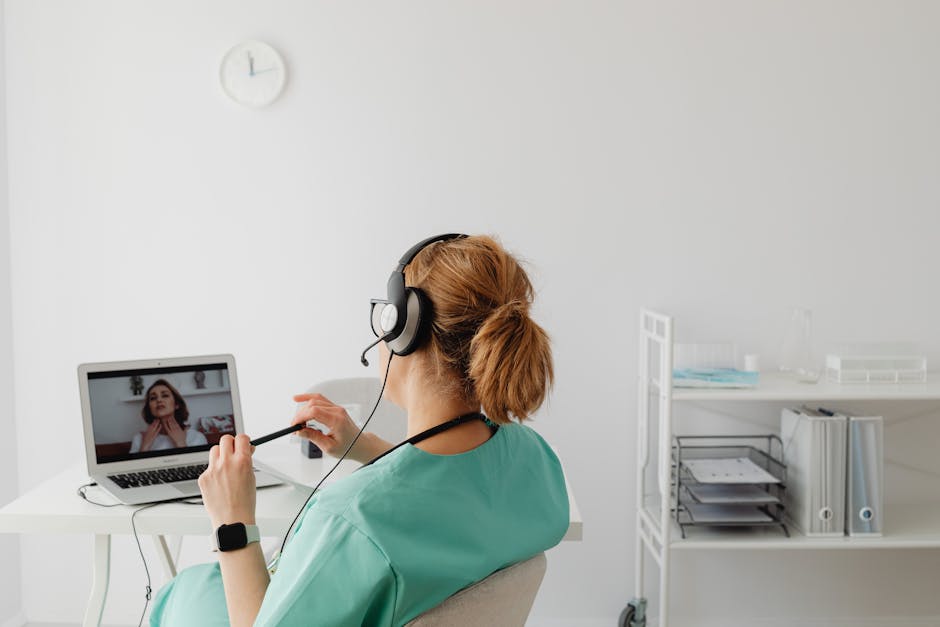
You might wonder how clinics manage this level of supervision without you having to sit in a waiting room every month. The answer lies in modern telehealth systems and secure online patient portals.
Feature Benefit to Patient Why it Matters Secure Patient Portals Real-time symptom logging Allows for data-driven dose reviews rather than guesswork. Telehealth Consults Convenient access Reduces the barrier to getting help for those dealing with anxiety or chronic pain. Digital Feedback Loops Consistency Ensures the clinic has a continuous record of your health journey.Platforms like those utilized by leading providers make the ongoing monitoring process seamless. You aren't just logging in to order more; you are updating your clinician on your sleep quality, pain scores, and mood. This constant flow of data transforms the clinical relationship from a transactional one into a collaborative partnership.
Setting Realistic Expectations
I have spent nearly a decade writing about health pathways, and if there is one thing I’ve learned, it’s that patients who have the best outcomes are those who view their treatment as a journey, not an event. If a clinic promises a "miracle cure" without asking for follow-ups, run the other way. That is not medicine; that is marketing.
Medical cannabis is a third-line treatment option. In the UK, it is typically considered only after you have explored standard NHS interventions—such as physiotherapy, standard pain management, or first-line psychiatric support—and found them to be insufficient or poorly tolerated. It is an additional tool, not a replacement for basic hygiene, nutrition, or physical health.
The "Check-in" Culture
At clinics like Releaf, the check-in is not a hoop to jump through—it is the bedrock of your treatment. During these sessions, your clinician will review:
- Efficacy: Are your primary symptoms improving? Side Effects: Are you experiencing fatigue, dry mouth, or any cognitive impairment? Quality of Life: Are you noticing improvements in your daily functioning, or are you just "numb"? Dose Review: Do we need to stay the course, or make an adjustment?
Addressing the Stigma
We are currently in a transition period in the UK. While the medical community is increasingly acknowledging the efficacy of cannabinoids, there is still residual stigma from the "reefer madness" era. By emphasizing formal, monitored, and regulated care, we are helping to normalise this treatment.
Every time a patient participates in an honest, evidence-based review with their clinician, they are contributing to the de-stigmatisation of the entire industry. You are proving that medical cannabis is for people with real jobs, real families, and real health struggles—not just a counter-culture fad.
Final Thoughts: Why Patient Safety Wins
The emphasis on ongoing monitoring is the primary factor that separates a legitimate medical clinic from unregulated sources. When you use telehealth systems to log your progress, you are ensuring that your treatment is tailored to your body's changing needs.
If you are feeling burnt out, struggling with sleep, or finding that life's pressures are impacting your emotional health, medical cannabis might be an option worth exploring through a legal, regulated route. Just remember: expect your clinician to ask questions, expect to log your data, and expect to adjust your dosage. That level of rigor is exactly what you should want when you are putting your health in someone else's hands.
Note: This article is for informational purposes only and does not constitute medical advice. Always speak with your GP or a qualified specialist before beginning any new treatment programme. If you are struggling with severe health issues, please consult your primary NHS care provider first.