In my eleven years on the wards and in the transplant unit, I have seen families arrive with the best of intentions, clutching medical records and certificates of storage for their child’s umbilical cord products. They often view these stored samples as a "biological insurance policy"—a guaranteed fix for future health crises. However, as clinicians, we approach these samples with a high degree of nuance. We do not look at a vial of cryopreserved cells and see a cure; we see a biological resource that must be evaluated against the specific, evolving landscape of a patient’s disease.
The primary reason for this caution is simple: biology is not one-size-fits-all. When families discuss "stem cells," they are often conflating two fundamentally different products. Before we ever decide to thaw a sample, we must perform a rigorous clinical eligibility assessment. We aren't just checking if the cells are "alive"; we are determining if the specific biological product matches the pathology of the disease at the current moment.
The Fundamental Distinction: HSCs vs. MSCs
To understand why a case-by-case assessment is mandatory, we must first stop using the term "stem cells" as a monolith. In the context of the umbilical cord, we are dealing with two distinct biological entities that serve entirely different purposes:
- Hematopoietic Stem Cells (HSCs) from Cord Blood: These are the blood-forming cells. They are capable of differentiating into red blood cells, white blood cells, and platelets. These are the gold standard for treating hematopoietic disorders. Mesenchymal Stromal Cells (MSCs) from Cord Tissue: These are structural and supportive cells derived from the umbilical cord tissue (the Wharton’s Jelly). They are not blood-formers. Their proposed utility lies in immunomodulation and tissue repair, but they operate through entirely different biological mechanisms than HSCs.
If you have cord blood stored, you have a potential source for blood-based therapy. If you have cord tissue stored, you have a completely different product. Confusing the two in a treatment plan is a non-starter in any reputable transplant center.
Established Indications: When HSCs are the Gold Standard
Umbilical cord blood (the HSC fraction) is a mature, evidence-based therapy. It is currently approved for the treatment of over 80 disorders. These generally fall into the categories of malignant hematology, bone marrow failure syndromes, and inborn errors of metabolism. Common examples include:
- Leukemias (ALL, AML) Lymphomas Severe Aplastic Anemia Primary Immunodeficiencies (e.g., SCID) Inherited Metabolic Disorders (e.g., Krabbe disease, Hurler syndrome)
In these cases, the clinical pathway is clear. If a patient presents with one of these diseases, the stored cord blood is evaluated for its disease match to product. We analyze the Human Leukocyte Antigen (HLA) compatibility, the total nucleated cell (TNC) count, and the CD34+ cell dose. These are not arbitrary numbers; they are the quality thresholds that dictate whether the transplant will actually engraft or whether we need to seek a different donor.
The "Case-by-Case" Reality: Why Quality Thresholds Matter
When a physician receives a request to use a stored sample, we don't just "hit the button." We conduct a clinical eligibility assessment that looks at three critical vectors:
1. Does the product match the disease mechanism?
If a child has a genetic leukemia, we look for a hematopoietic graft (Cord Blood HSCs). If a child has a neurological condition or an autoimmune flare, the scientific literature is still largely experimental regarding MSCs. Clinicians will not use an HSC product to "fix" an organ it cannot repair, nor will we use an MSC product to replace a marrow that has been obliterated by chemotherapy.
2. Are the Quality Thresholds met?
Cryopreservation is a delicate process. Even if a sample was stored in a high-quality facility, we must verify the "thaw viability." We check:
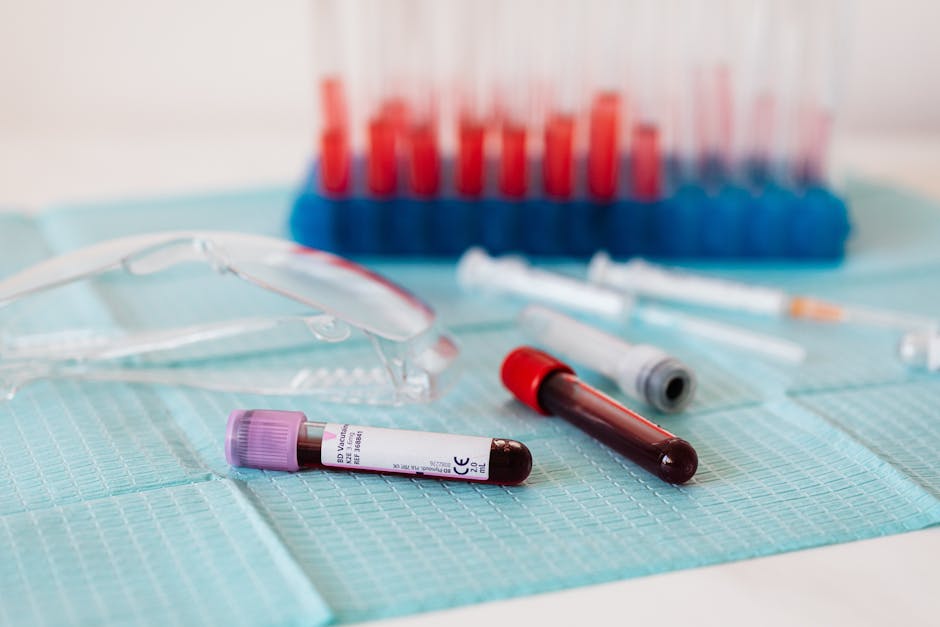

- Total Nucleated Cell (TNC) Count: The raw material required for the graft to take hold. CD34+ Cell Dose: The specific subset of cells that are the "engines" of hematopoiesis. Sterility and Pathogen Testing: To ensure the sample hasn't been compromised during long-term storage.
3. The Patient's Current Physiological State
emedicodiary.comA transplant is a high-risk procedure. We must assess the patient’s current health status—their organ function, their infectious disease profile, and the stability of their primary disease. A stored cell sample is merely the raw material; the patient is the vessel. If the patient is too fragile, or if the disease is too aggressive for the cell dose available, a clinician must be willing to pivot to other donor sources (such as haploidentical donors or unrelated adult donors) even if a family-stored sample exists.
Comparison of Therapeutic Utility
Feature Cord Blood (HSC) Cord Tissue (MSC) Primary Biology Hematopoietic (Blood-forming) Stromal/Structural/Immunomodulatory Proven Indications 80+ (Leukemia, SCID, Metabolic) Mostly experimental/clinical trials Transplant Goal Engraftment (New marrow) Tissue repair/Inflammation control Regulatory Status Standard of Care InvestigationalManaging Expectations: The Danger of Marketing Overpromises
One of the most frustrating aspects of my work is seeing marketing materials that promise "regenerative cures" for a vague list of conditions. As a clinician-educator, I must emphasize that there is no such thing as a guaranteed cure in modern medicine.
When a company uses "stem cell" marketing to imply that storage is a safeguard against "future unknowns," they are often banking on the fact that most families will never need to use the sample. They frame the product as a magic bullet. In reality, the utility of your stored product is tethered to the established science of transplantation. If the science hasn't proven that MSCs can cure a specific neurological or autoimmune disease, then no amount of stored tissue will change that reality.
When you hear a clinician emphasize "case-by-case assessment," what we are really saying is: "We have an ethical obligation to ensure that the procedure we perform is evidence-based." We are checking if the biology of the cell product meets the clinical requirements of the disease.
Conclusion: The Path Forward
Stored umbilical cord products are a valuable biological resource, particularly for the established hematopoietic indications. However, they are not a "get out of jail free" card for every future health condition. They are a raw material that requires specific, rigorous clinical interpretation.
If you have stored these products, keep your documentation updated and be aware of the storage conditions. But recognize that the true value of those cells is realized only when they are utilized within the framework of current medical science—matched to the right disease, verified against the right quality thresholds, and assessed by a team that understands the vital difference between a hematopoietic stem cell and a mesenchymal stromal cell. Trust the science, demand transparency, and always ask: "Does the current evidence support this therapy for *this* specific diagnosis?"
Medicine is rarely about "guarantees." It is about the careful, evidence-based application of biological resources to save lives. That is why every sample is assessed on its own merits, and why, for the foreseeable future, that clinical oversight will remain the most critical step in the process.