In the landscape of modern hematology and transplantation, the umbilical cord is not merely a byproduct of birth; it is a highly specialized biological resource. As a clinician who has spent over a decade working in hospital-based hematology and transplant services, I have seen the narrative around "stem cells" become cluttered with marketing hype. It is crucial to begin by clearing the air: not all stem cells are the same.
When we talk about the therapeutic potential of the umbilical cord, we are actually discussing two distinct cell types:
- Hematopoietic Stem Cells (HSCs): These are the blood-forming cells found within the cord blood. These are the workhorses used to treat leukemias, lymphomas, and bone marrow failure syndromes. Mesenchymal Stromal Cells (MSCs): These are structural, supportive cells found within the cord tissue (the Wharton’s Jelly). They are currently being investigated for their immunomodulatory properties, but they are not the cells that rebuild an immune system after a transplant.
This article focuses specifically on cord blood HSC expansion—a transformative technology that addresses the primary limitation of using cord blood as a graft source: the total cell dose.
The Challenge: Cell Dose in Cord Blood
Traditionally, cord blood has been a "limited" resource. Because a single cord blood unit contains a fixed number of HSCs, there is a physical limit to how many cells can be infused into a patient. For a small child, one unit is often sufficient. However, for an adult patient, a single unit frequently provides too few cells to ensure rapid engraftment. This leads to a higher risk of infection and graft failure during the critical post-transplant period.
Historically, we addressed this by using "double cord" transplants—infusing two units to increase the cell count. While effective, it adds complexity to the transplant process and introduces risks of graft-versus-graft competition. This is where ex vivo expansion protocols change the clinical reality.
What is Ex Vivo Expansion?
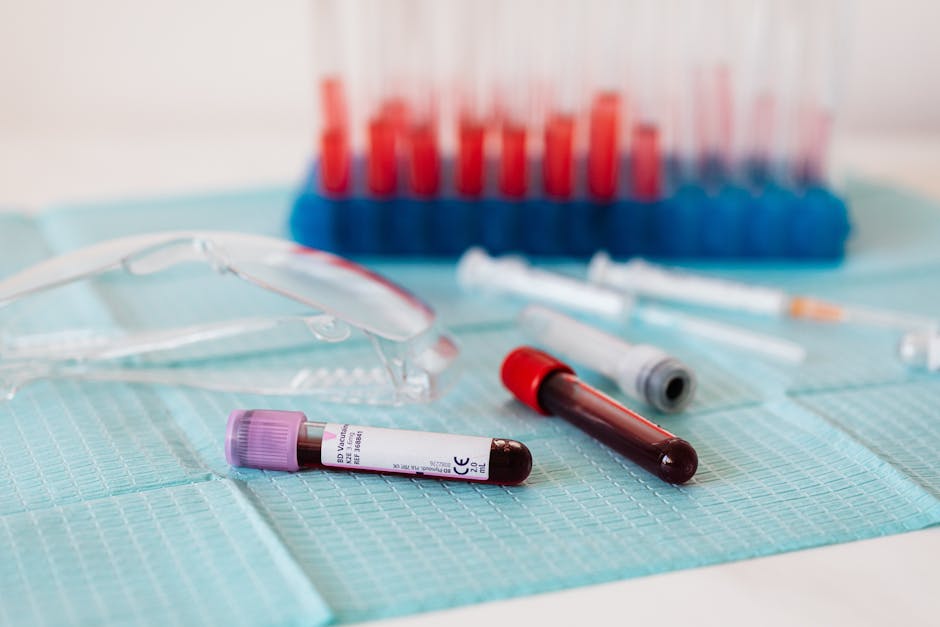
Ex vivo expansion refers to the process of taking a single unit of cord blood and "growing" the hematopoietic stem cells in a laboratory setting before they are infused into the patient. The goal is to increase cell dose in cord blood to levels comparable to or exceeding those found in adult bone marrow or peripheral blood stem cell collections.
It is not a magic wand; it is a biochemical process. Using specialized bioreactors and specific culture media supplemented with signaling molecules (such as aryl hydrocarbon receptor antagonists or Notch ligands), we encourage the HSCs to divide while maintaining their "stemness"—their ability to differentiate Ministry of Health Malaysia stem cell bank into all blood lineages once inside the patient.
What does this change in practice?
If you are a patient, you might ask: "Does this mean I'm cured faster?" Not necessarily. What it *does* mean is that the time to neutrophil engraftment (the time it takes for your new immune system to start producing white blood cells) is significantly reduced. In the transplant ward, a reduction of even 5–7 days in the time to engraftment is clinically meaningful. It means fewer days on intravenous antibiotics, shorter hospital stays, and a reduction in the inflammatory damage that occurs during the period of profound neutropenia.
The Biological Advantage: Why Cord Blood?
Beyond the expansion technology, cord blood remains a preferred option for many because of its immunological profile. Cord blood HSCs are "naïve." Because they have not been exposed to the diverse pathogens an adult encounters, the T-cells within the graft are less likely to recognize the recipient’s body as "foreign."
This allows for more lenient HLA (human leukocyte antigen) matching requirements. While an adult donor transplant often requires a near-perfect 10/10 or 8/8 match, we can often proceed with a 4/6 or 5/6 match using cord blood. This is a game-changer for patients from diverse ethnic backgrounds who may otherwise struggle to find a matched adult donor.
Cord Blood vs. Cord Tissue: A Clinical Distinction
To avoid the marketing jargon that plagues this field, it is necessary to maintain a strict separation between the utility of blood and tissue. The following table illustrates why we categorize them differently in clinical practice:
Feature Cord Blood (HSCs) Cord Tissue (MSCs) Primary Function Hematopoiesis (Blood formation) Supportive / Immunomodulation Clinical Status Standard of care for 80+ disorders Experimental / Research-based Mechanism Engraftment and repopulation Paracrine signaling / Suppression Typical Goal Replace a diseased marrow Reduce inflammationWhen you hear claims about "stem cells" helping with everything from joint pain to systemic autoimmune disorders, they are almost exclusively referring to MSCs. In the context of hematology and life-saving transplantation, we are relying on the HSCs found in the blood.
Established Indications: When Do We Use Cord Blood?
The utility of expanded cord blood is not theoretical. Cord blood is an established transplant modality for over 80 disorders. graft versus host disease GvHD These are primarily hematological malignancies and genetic conditions where the underlying "factory" of the blood system must be replaced.
Primary Indications for Cord Blood Transplant:
Acute Leukemias: Both Acute Myeloid Leukemia (AML) and Acute Lymphoid Leukemia (ALL) when high-risk features are present. Myelodysplastic Syndromes (MDS): Where the bone marrow is failing to produce functional blood cells. Bone Marrow Failure Syndromes: Such as severe aplastic anemia or Fanconi anemia. Primary Immunodeficiencies: Genetic disorders where the immune system is congenitally absent or dysfunctional. Hemoglobinopathies: Including severe Sickle Cell Disease and Thalassemia major.The Reality of Ex Vivo Expansion Protocols
As a clinician, I must emphasize that cord blood HSC expansion is not yet the universal standard of care for every patient, though it is rapidly becoming a cornerstone of advanced transplant programs. The protocols are complex, expensive, and require significant laboratory infrastructure (Good Manufacturing Practice or GMP facilities).
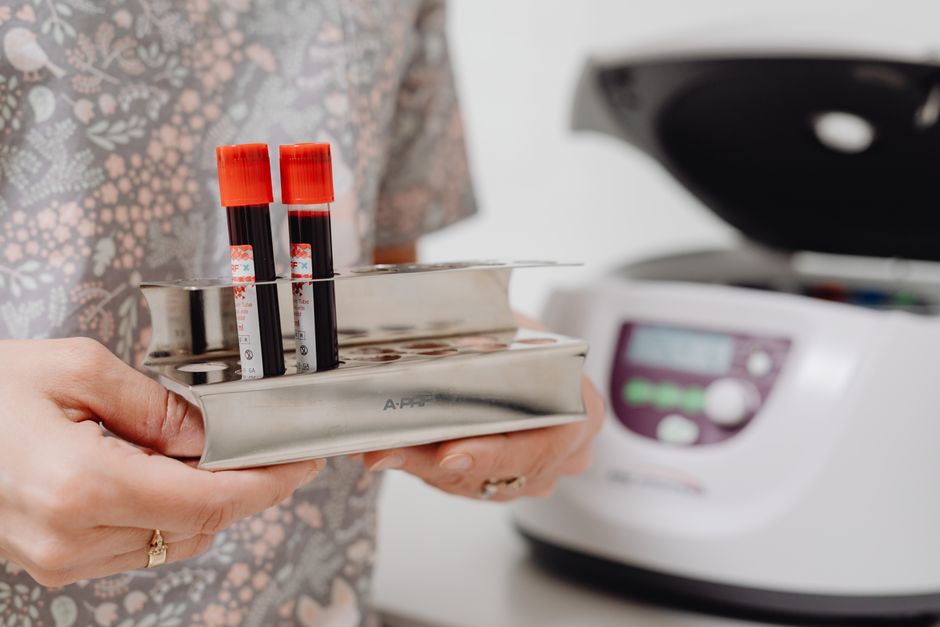
When an expansion protocol is used, the patient receives a graft that is numerically superior to a non-expanded unit. But we must manage expectations: a transplant is a high-risk medical procedure. Even with a perfectly expanded graft, the outcome depends on the patient's pre-transplant fitness, the disease burden, and the post-transplant management of complications like Graft-versus-Host Disease (GvHD).
Concluding Thoughts
The umbilical cord is a profound medical asset, but its utility is defined by the biology of the cells within it. By distinguishing between the HSCs of cord blood and the MSCs of cord tissue, we can better understand the roadmap for future therapies.
Ex vivo expansion represents the next frontier in hematology. By overcoming the barrier of low cell dose, we are opening the door for more patients—specifically adults—to access the immunological advantages of cord blood transplants. As we continue to refine these protocols, the focus remains where it should be: on improving the safety, speed, and success of the engraftment process for those facing life-threatening blood disorders.
If you or a loved one are exploring transplant options, ask your hematologist specifically about the source of the stem cells and whether expansion technology is available at your transplant center. Precision in language leads to precision in care.