I’ve spent nine years behind the scenes in esports, from the chaotic, ramen-fueled nights of tier-2 amateur rosters to the polished, high-pressure environments of major tournament circuits. I’ve seen the same pattern repeat itself thousands of times: a team finishes a six-hour block of high-intensity scrims, gets hit with a devastating loss, and then sits there in the dark, scrolling through Twitter or queuing for "just one more" solo queue game. They call it "unwinding." I call it a systematic dismantling of their reaction time for the next day.
If you're still treating your post-stream state as a neutral time, you’re losing. The time between finishing your last map and hitting your pillow isn't just "free time"—it is a critical phase of your training block. If you don't manage it, you're not just tired; you're operating at a performance deficit before the first pistol round on Monday.
The Neuroscience of the "Scrim Spillover"
When you’re in a high-stakes scrim, your sympathetic nervous system is redlining. Your cortisol levels are spiked, your heart rate variability (HRV) is tanked, and your brain is firing through complex decision-making loops at lightning speed. When the lobby closes, that physiological activation doesn't just turn off like a light switch. That "spillover"—the lingering agitation, the "what-ifs" about a missed play, the adrenaline—is the silent killer of your recovery.
Cognitive fatigue is insidious. It doesn't feel like "being tired" in the way a physical workout does; it feels like "brain fog" or "tilt." When your brain is in a state of high cognitive load, your prefrontal cortex—the part responsible for logical reasoning and impulse control—starts to lose the battle against the amygdala. That’s why, after a long day, you stop making calculated plays and start making impulsive, "hero-play" mistakes. If you carry that state into your sleep, you aren't recovering; you're just marinating in stress.
Burnout: It’s Not a "Discipline" Issue
I cannot stress this enough: Burnout is not a lack of discipline.
I’ve worked with players who were the hardest workers in the room, logging 12-hour days, only to see them plateau because they thought sleep was optional or that "toughing it out" was the only way to improve. When team managers or coaches label burnout as a character flaw, they are failing their roster. Burnout is a biological response to sustained, unmanaged stress. If your team is hitting a wall, you don’t need more grind; you need a better recovery protocol.
Common Sleep Myths I’m Tired of Hearing
- "I can catch up on sleep on the weekend." You can’t pay back a sleep debt with interest-free installments. The biological damage of a Friday all-nighter isn't magically undone by sleeping until 2 PM on Sunday. "I perform better when I'm tired; it makes me sharper." No, it just makes you more paranoid. Your reaction time metrics in the lab tell a different story. "I just need one drink/game to wind down." Alcohol and high-stimulation gaming fragment your sleep cycles, preventing you from reaching the deep, restorative stages of REM.
The Connection Between Sleep and Reaction Time
In esports, reaction time is the commodity. If you lose 15 milliseconds of reaction time because you had four hours of quality sleep instead of eight, you’ve essentially handed your opponent an unfair advantage. Sleep is when your brain cleanses itself of metabolic https://etruesports.com/2026/05/26/why-sleep-and-mental-recovery-have-become-major-topics-in-esports/ waste products that accumulate during the day. If you don't sleep, you’re basically running a processor that is overheating and throttled by junk data.
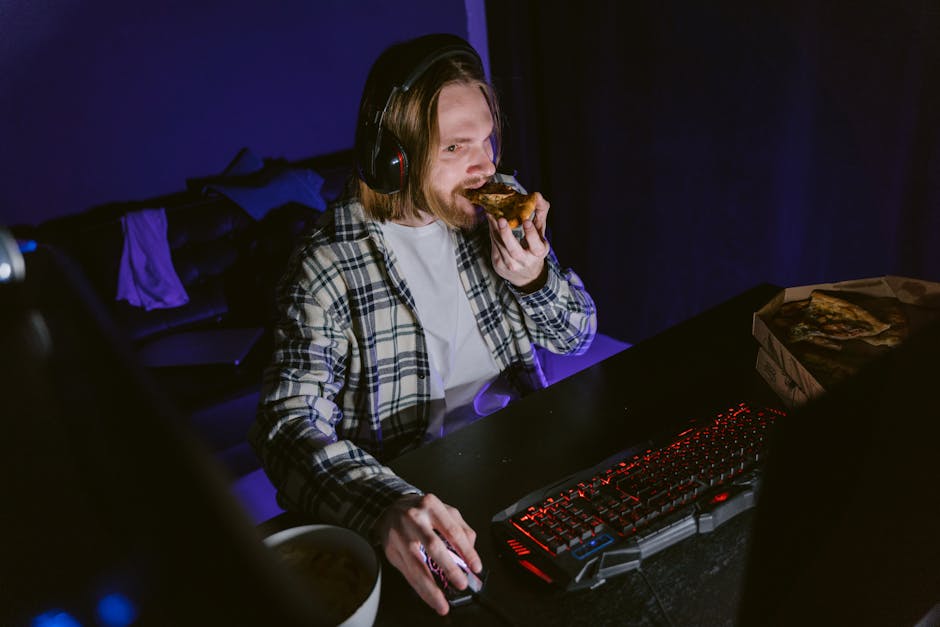
We tracked reaction times on our tier-2 squad using simple latency tests. The delta between a player who had a structured wind-down routine versus one who stayed up until 4 AM "grinding mechanics" was consistently between 20ms and 40ms. In a game like Counter-Strike or Valorant, that is the difference between a headshot and a respawn screen.
Building Your Recovery Protocol
Recovery is not the absence of work; it is active preparation for the next cycle. You need to treat your post-stream window as a "training exercise." Here is how you structure that downtime.
1. The Transition Phase: Mindfulness Exercises
You cannot go from a 144Hz screen to bed immediately. You need to bridge the gap. I recommend 10-15 minutes of non-screen transition. This could be light stretching, a shower, or simple mindfulness exercises like box breathing. Box breathing (inhale 4 seconds, hold 4, exhale 4, hold 4) signals to your nervous system that it is safe to down-regulate. You aren't "meditating" to reach nirvana; you’re manually hitting the "off" switch on your sympathetic nervous system.
2. Structured Downtime
Downtime shouldn't be passive. If you spend your downtime doom-scrolling, your brain is still processing information, which maintains cognitive fatigue. Structured downtime means doing something low-dopamine. Read a physical book, prep your gear for the next day, or organize your desk. Get away from the blue light. If you absolutely must use screens, use a f.lux filter or blue-light-blocking glasses, but honestly? Step away from the monitor.

3. The Gold-Standard Sleep Routine
Your sleep routine begins at the end of your last scrim, not when you lay down. Keep the bedroom at 65-68°F (18-20°C). Use blackout curtains. Most importantly: stop the "analysis" talk. Nothing productive is ever decided at 1 AM. Save the VOD reviews for the next morning when your brain has actually processed the input.
Metric The "Grind Culture" Approach The Professional Recovery Approach Post-Scrim Activity Solo Queue / VOD Analysis Mindfulness / Stretching Blue Light Exposure Until eyes hurt Cut-off 60 mins before bed Decision Making Impulsive / Emotional Calculated / Restored Morning Output Brain fog / Lag Clear focus / Ready to scrimThe Monday Morning Audit: What Changes on Monday?
I’ve sat through countless "team wellness" talks. They are almost always full of fluffy, vague advice like "optimize your routine" or "find your balance." It’s useless. It provides no lever to pull.
When you finish reading this, I want you to look at your team (or yourself) and ask: "What changes on Monday?"
Don't tell me you're going to "be more disciplined." That’s a trap. Tell me specifically what is going to be different on Monday morning. Will you be ending the last scrim 30 minutes earlier? Will you be removing phones from the practice room 15 minutes before lights out? Will you implement a "no VOD review after 10 PM" rule?
Recovery is an active practice. It is just as important as your aim training or your utility usage. If you aren't winning your recovery, you’re already losing the match before it begins. Stop calling it "discipline," start calling it "performance optimization," and for the love of everything, turn the monitor off before the sun comes up.
Now, look at your schedule. What changes on Monday?