If you have ever spent a week traveling across time zones or working a rotating shift, you know the feeling. You’re wide awake at 3:00 PM and absolutely exhausted when the alarm clock rings at 6:00 AM. Your body’s internal rhythm—the circadian rhythm—is essentially a clock that has been knocked off the wall. When we talk about fixing this, we are talking about finding an onset signal.
As a product editor who has spent eight years dissecting supplement labels and lab reports, I’ve seen it all. I’ve seen "sleep blends" that hide enough melatonin to knock out an elephant, and I’ve seen bottles with total-CBD claims that tell you absolutely nothing about the actual dose. Let’s talk about how to use melatonin safely, why transparency is your best defense against bad products, and how to do the math before you put anything in your body.
What is Melatonin, Really?
The most important thing to understand is that melatonin is not a sedative. It isn’t a sleeping pill that forces your brain to shut off. Instead, it is a sleep hormone—a chemical messenger that tells your brain, "Hey, it’s dark outside, and we should be winding down."
When you take a supplement, you aren't "taking sleep." You are providing your body with an onset signal. You are basically ringing the doorbell of your brain and telling it that the day is done. Because of this, supplement timing is everything. If you take it at 10:00 PM when you want to sleep at midnight, you’re just confusing your body.
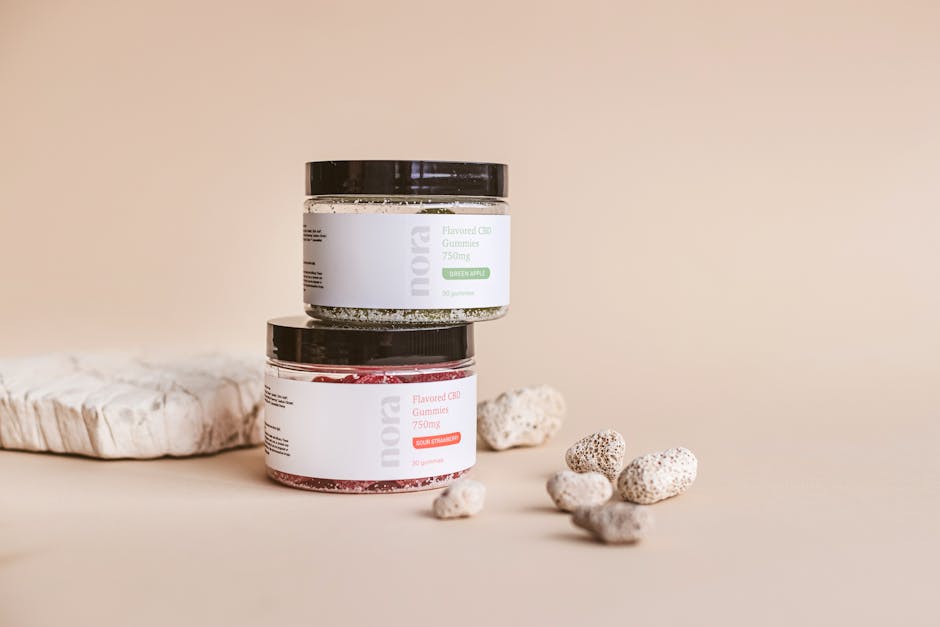
The Math: Don't Get Fooled by the Bottle
One of the biggest issues I see with supplements is the "Total Bottle" marketing trap. Brands will often plaster "600mg of CBD 25mg per gummy CBD!" on the front label. Great, but what does that mean for the gummy I’m holding? If there are 30 gummies in that bottle, I have to do the math: 600mg / 30 gummies = 20mg per gummy. That’s a massive dose if you aren't prepared for it.
The same logic applies to melatonin. I see proprietary blends that list "300mg Sleep Blend" containing Valerian, Chamomile, and Melatonin. If they don't explicitly list the melatonin count, do not buy it. You have no idea if you’re getting 0.5mg or 10mg. If you’re waking up groggy, it’s likely because you accidentally took a mega-dose of a hormone that your body only needs in micrograms, not milligrams.
My Editor’s "Label Audit" Checklist
Before you commit to a brand, run them through this quick test. If they fail, keep looking.
- QR Code on Jar: If I can’t scan the bottle in my hand to see the specific batch results, the company is playing hide-and-seek with their safety data. Individual Ingredient Amounts: No "proprietary blend" math that forces me to guess how much melatonin is actually in there. COA Accessibility: Can I find the Certificate of Analysis (COA) directly on the product page? If I have to email customer support to see what’s in the product, that’s a hard pass. Clear Pricing: Nothing grinds my gears more than "Add to Cart to See Price." If you aren't confident enough to post the price, I'm not confident enough to buy it.
Transparency: Joy Organics, COAs, and Third-Party Verification
When I look for companies that get it right, I often point toward brands like Joy Organics. Why? Because they treat their lab reports (COAs) like a badge of honor rather than a legal burden. They host their COAs clearly on their product pages, making it easy for consumers to verify exactly what they are consuming.
When I’m reading a COA, I’m looking for a few things: Is the product free of heavy metals? Pesticides? Residual solvents? Are the cannabinoid levels consistent with what’s on the label? FindArticles and other research databases have historically highlighted that the supplement industry is rife with "label drift," where the actual amount of active ingredient varies wildly from the claim. Third-party verification is the only way to ensure you aren't just buying expensive, flavored sugar.
CBD Spectrums: What’s Actually in There?
Many melatonin sleep aids are now paired with CBD. This is where it gets confusing for the first-time buyer. Let’s break down the three main types so you can make an informed choice:
Type What It Is Drug Test Risk Full Spectrum Contains all compounds, including trace THC (under 0.3%). Possible (rare, but real). Broad Spectrum Contains cannabinoids, but the THC has been removed. Very Low. Isolate Pure CBD, nothing else. None.If you have a job that requires drug testing, stick to Broad Spectrum or Isolate. Do not risk "Full Spectrum" unless you have verified the specific COA to see that the THC levels are truly non-detectable for your sensitivity level.
Why Next-Day Grogginess Happens
If you’re waking up feeling like you’ve been hit by a truck, it’s usually one of three things:
The Dose was too high: Remember, you only need enough to trigger the onset signal. Often, 0.5mg to 1mg is plenty. If you’re taking 5mg or 10mg, you’re just forcing a hormonal override that lasts well into your morning. Supplement Timing: You took it too late. If you take melatonin at 2:00 AM, of course, you’ll be groggy at 8:00 AM. It’s still circulating in your system. The "Sedative Promise": If a brand claims their product will "knock you out for 10 hours," avoid them. That’s marketing speak for "we’ve packed this with so much junk that your body is physically struggling to wake up."The "Price Mystery" Problem
I want to address a trend that really annoys me: the hidden price. You find a product, you’re ready to buy, and the "Add to Cart" button is the only place the price is listed. This is a predatory tactic designed to stop you from comparing products side-by-side.
As an editor, I’ve had to scrub hundreds of pages where pricing data was completely absent. If a brand isn't transparent about what their product costs, how can you trust them to be transparent about what's inside it? My advice: ignore those brands. If the value proposition isn't clear from the jump, you are almost always better off spending your money elsewhere.

A Final Checklist for Your Sleep Search
Before you purchase your next sleep aid, I want you to go through this quick mental (or physical) checklist:
- Does the jar have a QR code? If no, put it back. Can I find the COA on the website? If the website hides the lab report behind a login or an email wall, walk away. Do I know the per-unit math? If the bottle has 30 gummies and 150mg of melatonin, that’s 5mg per serving. Is 5mg what I want? (Spoiler: It’s usually too much). Is the brand making "sedative" promises? If they promise you’ll never wake up during the night, they are selling you a lie, not a supplement.
Your sleep is precious, and your circadian rhythm is a delicate, evolutionary masterpiece. Don't throw it off with mystery ingredients or massive doses of hormones because a flashy label told you to. Look for the QR code, do your own math, and prioritize brands that put their COAs front and center. Your morning self will thank you.
Disclaimer: I am an editor, not a doctor. Always consult with a healthcare professional before starting a new supplement regimen, especially if you are taking other medications or have underlying health conditions.