You’re staring at your screen at 6:00 PM on a Tuesday. Your to-do list is still staring back at you, and the idea of heading to the gym—or even just going for a walk—feels like trying to run through waist-deep water. You wonder: Is it just lack of willpower? Is my motivation broken?
I’ve spent 11 years as a personal trainer, and I have heard this exact complaint thousands of times. I always ask my clients the same thing: "What would you actually do on a Tuesday night?" If you’re exhausted, dehydrated, and overstimulated, you aren't "lazy." You are a biological system that is simply running out of gas.

Let’s talk about why you feel sluggish, how hydration actually dictates your workout performance, and why your motivation isn't failing you—your environment probably is.
The Physiology of "The Slump"
We often treat our energy levels as a moral failing. We think if we were "disciplined enough," we’d just push through. But science tells a different story. The Cleveland Clinic has noted repeatedly that even mild dehydration—as little as 1% to 3% of your body weight—can lead to significant changes in mood, concentration, and energy levels.
When you are dehydrated, your blood volume drops. Your heart has to work harder to pump oxygen to your muscles and your brain. That "sluggish" feeling? That is literally your body trying to conserve resources because it doesn't have the fluid volume to keep the gears turning efficiently. This leads directly to increased mental fatigue.
Dehydration Level Physical/Mental Symptom 1% – 2% Thirst, mild headache, early focus drop. 3% – 5% Reduced exercise tolerance, dry mouth, irritability. Over 5% Dizziness, confusion, significant performance decay.If you aren't drinking enough water, your workout performance is going to suffer. You’ll feel weaker, your recovery will take longer, and the "mental wall" will hit you halfway through your session. Don't blame your mindset for what is actually a plumbing problem.
Beyond the Dopamine Clichés
You’ve likely read a thousand articles claiming that dopamine is just a "feel-good chemical." This is one of my biggest pet peeves in the health and wellness space. It is scientifically lazy.
Dopamine isn't a reward chemical; it’s a molecule of anticipation and drive. It’s what signals to your brain that something is worth pursuing. When we simplify it as "feel-good," we ignore the complex dance of reward systems that keep us moving.
The problem isn't that you lack dopamine; the problem is that modern social media algorithms have hijacked your reward pathway. When you scroll through your smartphone for hours, you are getting thousands of micro-doses of novelty. By the time you need to engage in "real" work or a "real" workout—activities that require sustained effort and deferred reward—your system is fried. You aren't sluggish because you’re unmotivated; you’re sluggish because you’ve been overstimulated.
Why Your Digital Habits Kill Your Drive
We live in an era of constant, low-grade distraction. When your brain is constantly jumping from one notification to the next, it never settles into the "deep work" or "deep movement" states required for actual progress. This is where exercise becomes less about vanity and more about mental maintenance.
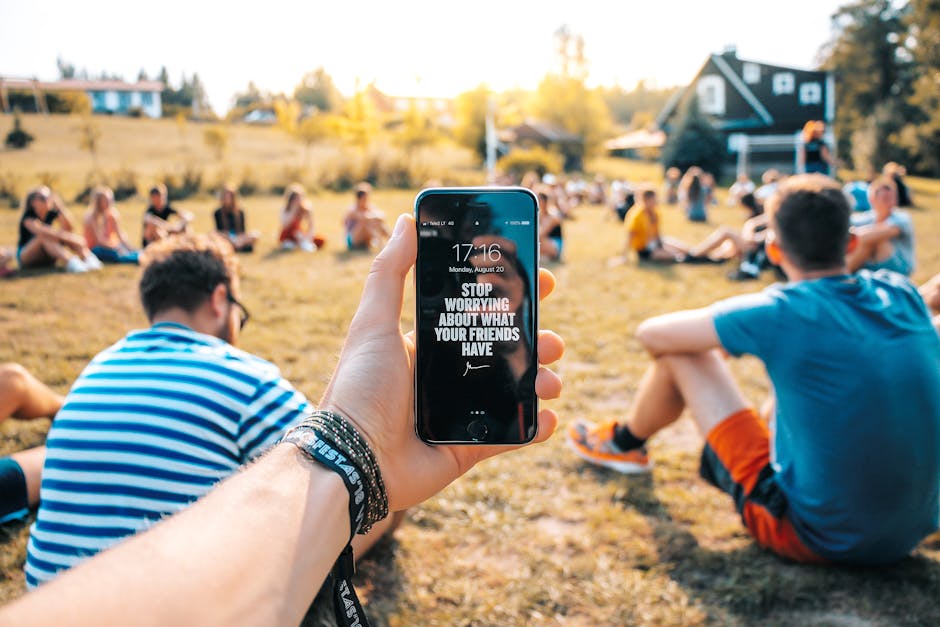
Exercise supports mood and focus through a complex network of systems, including the release of BDNF (brain-derived neurotrophic factor) and the regulation of our stress responses. But if you’re trying to force a workout while dehydrated and mentally exhausted from a day of digital chaos, you’re fighting an uphill battle.
I always tell my clients: Don't try to "hack" your motivation. Just optimize your environment. If you want to exercise, don't start by looking at your phone. Pretty simple.. Start by drinking 16 ounces of water and stepping outside. The movement will do more for your mood than a dozen productivity hacks ever could.
The Foundation: Recovery and Consistency
I have zero patience for the "hustle culture" that glorifies sleep deprivation. If you are sleep-deprived, you are operating with a deficit in your executive function. No amount of pre-workout or "motivation" will fix a brain that hasn't recovered from the previous day.
Consistency is not about doing high-intensity routines every single day. It’s about doing the boring, reliable things even when you don't feel like it. For me, that’s a consistent sleep schedule and keeping my recovery tools simple.
I often suggest looking into high-quality recovery support—like products from Joy Organics—if you find that your nervous system is struggling to downshift after a busy day. While supplements are not a replacement for good sleep or proper hydration, they exercise and dopamine can be a helpful adjunct for those of us who have trouble finding a "calm" baseline in a world that never stops spinning.
Three Practical Steps for Your Tuesday Night
The Phone Audit: Put your smartphone in another room for 30 minutes before your workout or evening walk. Break the loop of the algorithm. Hydration First: Drink a full glass of water before you even think about "motivation." Your brain needs the fluid to process the signal to move. Keep it Simple: If you're tired, don't try to hit a PR. Go for a 20-minute walk. The goal is to move, not to punish yourself.The Myth of the "Perfect" Routine
One of the biggest traps beginners fall into is the "all-or-nothing" approach. They think if they can't go to the gym for 60 minutes and lift heavy, then the day is a wash. This is how you burn out.
Fitness is not a series of flashy routines. It is a long-term strategy for mental and emotional maintenance. You need to be able to sustain your habits for years, not just weeks. This means acknowledging that some days, your best is just a short walk around the block.
I’ve coached people who went from "I can’t get off the couch" to "I’m training for a 5K" simply by focusing on two things: hydration and consistent, non-negotiable movement. Not fancy training plans, not expensive supplements, and not motivational YouTube videos. Just plain, boring, consistent action.
Final Thoughts: Take Care of the Hardware
You aren't a robot. You are a biological organism that requires water, rest, and low-stimulation environments to thrive. When you feel "sluggish," take a step back and audit your basic needs:
- Are you drinking enough water throughout the day, or are you caffeinated and dehydrated? Have you been staring at a screen for the last six hours without a visual break? Did you actually sleep, or did you just "pass out" from exhaustion?
If you want to build motivation, stop chasing it like a fleeting feeling. Build a foundation of physical stability. When you respect your biology, the "sluggishness" tends to dissipate on its own. And remember—what you do on a Tuesday night matters more than what you do on a Sunday morning when you’re feeling motivated. Consistency in the mundane is where the real transformation happens.