You just lost the series. Your rank dropped, your teammates were useless, and you are currently vibrating with a mix of adrenaline and genuine rage. You want to sleep, but your heart rate is sitting at a crisp 110 BPM. You know if you go to bed now, you’ll just stare at the ceiling for three hours. If you play another match, you’ll lose again.
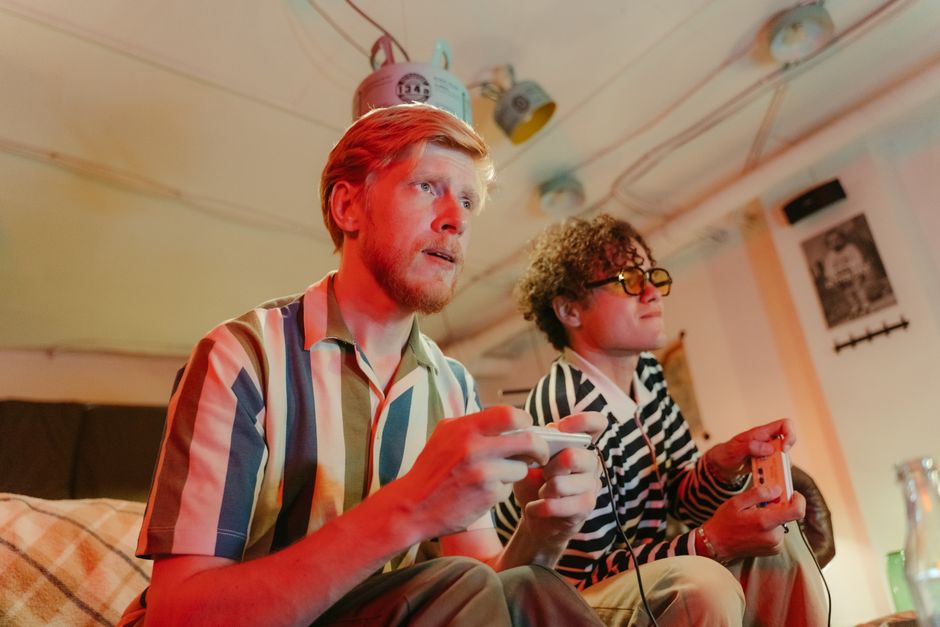
I’ve been there. I spent years working night-shift IT, spending my mornings trying to force sleep while my brain was still replaying clutch moments from a 3:00 AM lobby. Gaming is a high-stimulus activity. Treating your brain like it has an "off" switch that functions instantly after a high-stakes match is a fantasy. Let’s fix your routine.
The Science of the Post-Match Hangover
When you’re in a competitive match, your body is effectively in "fight or flight" mode. According to studies published in The Permanente Journal, intense screen-based activity before bed disrupts sleep architecture. You are flooding your system with cortisol and adrenaline. Your brain doesn't know the difference between a real-life threat and a digital flank from behind; it just knows you are under pressure.
The NCBI (National Center for Biotechnology Information) has documented how late-night screen exposure suppresses melatonin production. When you combine this with the physiological arousal of a competitive loss, you’ve essentially created a perfect storm for insomnia.
Stop looking for a "miracle pill" to fix this. It doesn't exist. You need to manage your biology, not bypass it.
Step One: The "One More Match" Cutoff
This is the most important rule I ever adopted. I set a hard alarm on my phone. If I’m playing ranked, I set an alarm for 30 minutes before my intended lights-out time. When that alarm goes off, the console or PC shuts down. Period. No "let me finish this round," no "I’ll just queue up one more to win it back."
Winning it back is a gambler’s fallacy. You’re tilted, your reaction time is shot, and you’re just digging a deeper sleep deficit hole. Walk away while you’re angry. It’s better than walking away exhausted.
Step Two: Use Your Secret Weapon (Night Mode)
If you aren't using the built-in Night Mode or "Blue Light Filter" settings on your monitor, console, and phone, you are voluntarily handicapping your sleep cycles. I treat this like a secret weapon because most people forget it exists. Go into your display settings right now and toggle it on.
Blue light tells your brain it’s midday. By shifting your screen temperature to warmer hues, you reduce the signal that tells your brain to stay alert. I run my night mode settings at 60% intensity starting two hours before I plan to sleep. It’s not magic, but it’s a non-negotiable layer of protection for your circadian rhythm.
Step Three: The Post-Match Decompression
You cannot go from 100% focus to 0% focus in thirty seconds. You need a buffer. I call this the "Cooldown." Once the screen is off, you have a fifteen-minute window to let your cortisol levels drop.
Do not go to social media. Checking Twitter or Reddit to complain about your match just keeps the frustration cycle alive. Instead, try these:
- Light Reading: Physical books or e-readers with the backlight turned way down. Don't read anything stressful. No work emails, no intense thrillers. Music: Ambient, lo-fi, or instrumental tracks. Avoid anything with lyrics or high-tempo beats. Box Breathing: Inhale for four seconds, hold for four, exhale for four, hold for four. It forces your nervous system to exit the "fight" mode.
The Truth About Supplements
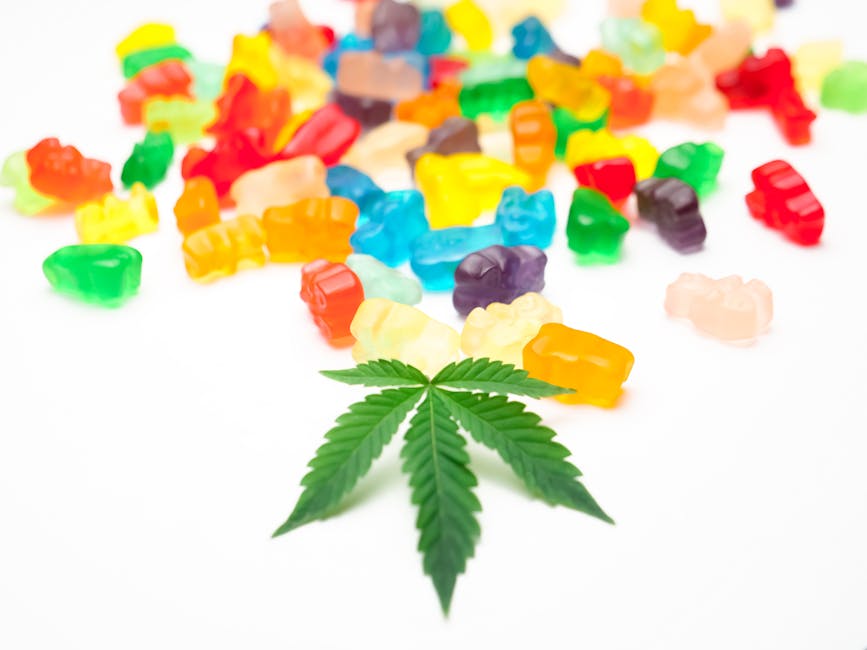
I see a lot of gamers shilling "sleep blends" like they’re going to instantly knock you out after a triple-espresso session. Most of these are overpriced junk. If cbd sleep gummies you’re going to use something to help the transition, keep it simple. I’ve used products from companies like Joy Organics for their CBD tinctures, but the key isn't the brand—it’s the timing.
If you take anything, you need to take it 30-60 minutes *before* you actually want to be asleep. Taking it the moment you lose your match and are still vibrating with rage won’t work. The timing window is everything. If you aren't consistent with the timing, you're just wasting your money.
Routine Quick-Reference Guide
I prefer a blunt, actionable approach. Here is how you should structure your final 60 minutes of the day to ensure you don't spend the night staring at the ceiling.
Time Action Why -60 mins Enable Night Mode on all devices Signals melatonin production. -30 mins The "One More Match" Alarm hits Eliminates the "just one more" trap. -20 mins Shutdown and leave the desk Physically distance from the stressor. -15 mins Light reading or slow music Lowers heart rate and cortisol. -5 mins Box breathing or stretching Prepares muscles for rest. 0 mins Lights out Consistent sleep hygiene.Managing Inconsistent Bedtimes
Gamers often have erratic schedules. If you play in tournaments or have friends in different time zones, your circadian rhythm is going to take a beating. The biggest mistake you can make is trying to "fix" it by sleeping in until 2:00 PM the next day.
If you had a rough night, force yourself to get up at your usual time. You’ll be tired, but you’ll reset your internal clock faster. Use that fatigue as a tool to ensure you’re tired at the right time the following night. Don't nap. If you nap, you won't be tired at night, and you'll end up gaming late again to kill time. It’s a vicious cycle.
Final Thoughts
Sleep is a performance enhancer. If you actually care about your rank, start prioritizing your recovery. A well-rested brain makes better split-second decisions than a fried, frustrated one. Stop treating your sleep like an inconvenience and start treating it like the most important gaming peripheral you own.
You lost the match. It’s over. The points are gone. Now, shut the system down, turn on your night mode, and get some actual rest. You can carry your team better tomorrow if you aren't operating at 60% capacity.