During my nine years working in NHS administration, I spent a significant amount of time managing the “paper trail” of patient care. I saw firsthand how fragmented, outdated systems led to lost files and delayed treatments. Today, as a wellness journalist, I bookvibe.com see the rise of digital health platforms—often called “secure patient platforms”—promising a faster, more discreet way to manage your health. But beyond the slick interfaces and marketing copy, the question remains: How exactly is your sensitive information kept private?
For many women navigating the crushing weight of chronic stress, sleep disruption, and the relentless pressure of modern life, these digital tools offer a lifeline. But convenience should never come at the cost of your medical confidentiality. Let’s look at what is actually happening behind the screen.
The Modern Health Burden: Why Women Need Better Systems
We are living through a period of peak lifestyle pressure. Between the "always-on" work culture and the unseen labor of household management, the nervous system rarely gets a chance to downregulate. When we talk about chronic stress and sleep cycles, we aren't just talking about "feeling tired"; we are talking about physiological patterns that require consistent, evidence-based intervention.
For many, the traditional GP route—waiting weeks for a non-urgent appointment, taking time off work, and navigating a crowded waiting room—is a barrier. This is where online consultations and virtual specialist appointments shine. They provide continuity of care without the logistical headache. However, if you are discussing sensitive health issues, you need to know that your data isn't being treated like an email newsletter signup.
De-Jargonizing the "Secure Patient Platform"
When a company claims to have a "secure patient platform," what does that actually mean? Let’s strip away the corporate filler.
- End-to-End Encryption: Think of this as a digital envelope that can only be opened by you and your doctor. Even the platform provider itself cannot see the content of your message. Data Siloing: This means your health data is stored separately from your marketing or identifying data. Your medical history shouldn't be "talking" to the algorithm that sells you targeted ads. Clinical Oversight: This is non-negotiable. It means that a qualified professional—not a chatbot or an AI—is ultimately responsible for your diagnosis and treatment plan.
Platforms that prioritize privacy and discretion will always provide a clear "Data Privacy Policy" that isn't buried behind 50 pages of legal text. If a platform is hesitant to explain how they store your records, that is a red flag.
Regulation: The Gold Standard (CQC and Beyond)
If you are in the UK, your first step in vetting any platform is checking their registration with the Care Quality Commission (CQC). The CQC is the independent regulator of health and social care in England. They don’t just rubber-stamp these companies; they perform rigorous inspections on whether the service is safe, effective, and well-led.
Consider the difference between a generic wellness app and a platform like Releaf. When a platform provides specialist-led care—such as managing complex conditions or specialized medicine—they are subject to stringent oversight. Using a service like Releaf is a perfect example of why *clinician oversight* matters. You aren't just buying a product; you are entering a regulated care pathway where a specialist is monitoring your outcomes and adjusting your plan based on actual medical data.
Managing Continuity: How Tools Like Bookvibe Help
One of the biggest risks in digital healthcare is the "silo effect." You see a specialist online, but your regular GP doesn't know about it. This is dangerous. Secure platforms must offer a way to bridge this gap. Tools like Bookvibe have become essential for patients because they allow you to manage your own health schedule, ensuring that your virtual specialist appointments align with your broader medical record.
When you use a remote messaging clinician, you are essentially creating a digital paper trail. This is a good thing, provided that the platform allows you to export your data or share it with your primary care provider. The goal of modern digital health should be continuity, not isolation.
Comparison: Traditional Healthcare vs. Secure Digital Platforms
Feature Traditional NHS System Secure Digital Platform Access Waiting lists, in-person only Virtual specialist appointments Communication Phone/Paper letters Remote messaging clinician Regulation CQC-inspected Must be CQC-registered to be safe Data Security Physical records/N3 network Encrypted cloud storageWhat to Ask Before Signing Up
Before you enter your medical history into a new portal, take five minutes to do a "health check" on the platform. It is your right as a patient to know where your data is going. If you are struggling with nervous system regulation or chronic stress and looking for support, ask these three questions:
"Are you CQC registered?" If they answer with "we are a wellness company, not a medical one," be very careful about sharing symptoms. "Who actually sees my messages?" The answer should be: "Only your assigned clinician and their direct administrative support team." "Can I request a copy of my records?" A secure platform should have a transparent process for you to access your own data at any time.The Bottom Line: Convenience with Caution
Digital health isn't a "miracle cure" for our stressed-out, overworked society. It is simply a different way to access the care you already deserve. The ability to consult with a specialist from your home is a major win for privacy—especially if you want to avoid the judgment or time constraints of a local clinic.

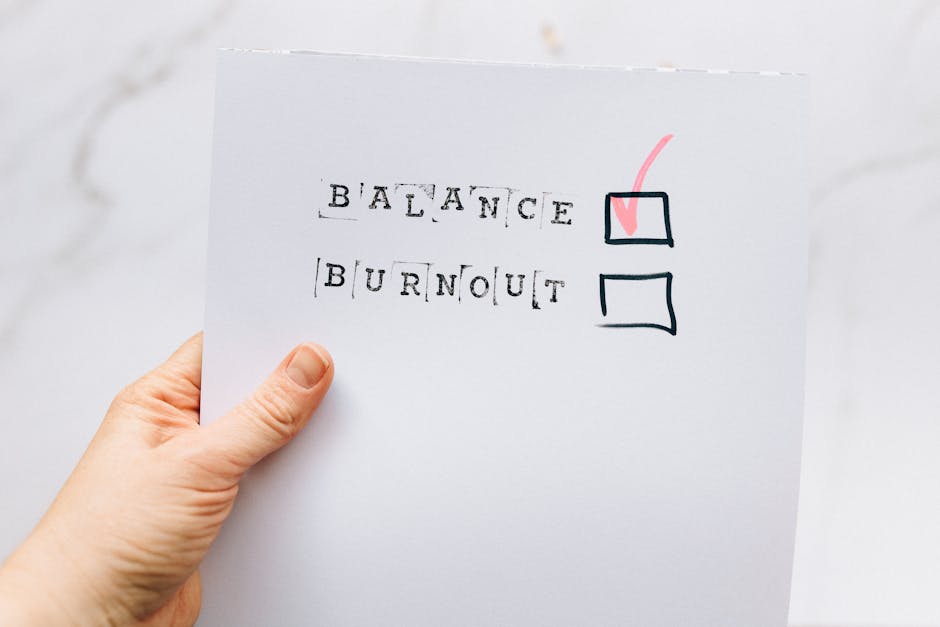
However, technology is only as good as the privacy frameworks it is built upon. Whether you are using Releaf for specialized treatment or using Bookvibe to organize your specialist consultations, ensure that the platform treats your health information with the same level of seriousness that a consultant in a hospital would.
We are moving toward a future where healthcare is as accessible as online banking. That is a massive opportunity for women’s wellness, provided we continue to prioritize the "secure" in "secure patient platform." Don't be afraid to ask the hard questions about data. It’s your health, your nervous system, and your private data—you have every right to demand the highest standard of protection.