If you’ve spent any time working behind the scenes of a production, you know that the "wellness" conversation usually happens in the dim light of a dressing room or while you’re waiting for the shop foreman to clear the set for a strike. It’s 10:30 PM. The show wrapped an hour ago. You’ve got a load-out to finish, your lower back is screaming, and your brain is still vibrating from the technical cues of Act Two. You need something to pull you down from that post-show adrenaline spike so you can actually get home and sleep.
Lately, everyone on the crew is talking about "Full Spectrum CBD." You’ve heard the term "entourage effect" tossed around like it’s the secret to fixing everything from stage fright to shin splints. But as someone who has spent over a decade watching trends live and die in the rehearsal rooms of North Hollywood, I’ve learned to smell a marketing gimmick from fifty feet away. Let’s cut through the fluff and look at this like we’re reading a technical rider—what actually works, what’s just noise, and what you need to look for before you buy.
What is the Entourage Effect?
In marketing terms, the "entourage effect" is often painted as a magical, synergistic explosion of health benefits. In reality, the entourage effect meaning is much more rooted in basic biochemistry. It is the theory that the various hemp plant compounds—cannabinoids, terpenes, and flavonoids—work better together than they do in isolation.
When you use an "isolate," you are essentially taking one actor on stage and expecting them to carry the entire show. When you use "full spectrum," you are bringing in the full cast: the ensemble, the lighting designer, and the sound crew. The theory suggests that trace amounts of other cannabinoids and terpenes help modulate how your body processes CBD, potentially making it more effective at lower doses.
Is it real? The science is still catching up, but early clinical evidence suggests that phytocannabinoids do interact with the body's endocannabinoid system in more complex ways when they aren't stripped of their natural cohorts. However, I’ve seen enough "wellness" products to know that if the company behind it can’t provide a legitimate third-party lab report, the "entourage" is just a marketing buzzword designed to sell you an inferior product.
Hemp, THC, and the "Trace" Reality
One of the things that drives me absolutely up a wall is the constant, intentional confusion between hemp-derived CBD and marijuana-heavy cannabis. Let’s set the record straight: Legally, hemp-derived CBD must contain less than 0.3% THC on a dry-weight basis. This is the full spectrum trace THC you’ll see referenced on labels.
Will it get you high? No. If you’re at a 10:30 PM strike night, you need to be sharp enough to safely load a truck. The trace amounts of THC present in full spectrum products are not psychoactive enough to impair your motor skills or your judgment. If someone tells you they "tripped out" on a standard, third-party-tested full spectrum CBD oil, they are either taking a dangerously high dose or, more likely, they are consuming a product that isn't what they think it is.
Comparison: CBD Types
Type Composition Best For Full Spectrum CBD + trace THC + terpenes Overall homeostasis and the "entourage" experience. Broad Spectrum CBD + terpenes (THC removed) Those who are drug-tested but want more than just CBD. Isolate 99%+ pure CBD Specific, high-dose needs; zero THC risk.How to Spot a "Red Flag" Brand
I’ve kept a list of red flags for years. If a company can’t provide a clear, accessible certificate of analysis (COA) from a third-party lab, walk away. Period. No exceptions. Here is how I judge a brand while I'm sitting at the callboard:
- Vague Dosage Info: If they don't explain how much CBD is in a dropper, they are hiding something. You need to know the milligram count per serving. Miracle Cure Language: Any brand claiming their oil will "cure" your anxiety, "fix" your depression, or "erase" your chronic pain is lying to your face. Run. Hidden COAs: If you have to email them to ask for a lab result, the results probably aren't good. A reputable brand puts a QR code on the bottle that leads you straight to the batch-specific testing results. No Batch Numbers: If the COA isn't batch-specific, it’s useless. It’s like having a script for a play that closed three years ago.
The Sublingual Advantage: Why Tinctures Win
In the theater world, we value efficiency. A sublingual tincture delivery method is the most efficient way to get cannabinoids into your system. When you put the oil under your tongue, the CBD is absorbed through the mucous membranes directly into the bloodstream. It bypasses the "first-pass metabolism" of the liver, which happens if you eat a gummy or a capsule.

If you're dealing with performance anxiety before an opening night, or trying to settle your brain after a high-stress rehearsal, you don't have two hours to wait for a gummy to kick in. A sublingual tincture hits the https://nohoartsdistrict.com/cbd-oil-for-performers-los-angeles/ system significantly faster. It’s the difference between a lighting cue that happens on time and one that comes in three seconds late.
Performance Anxiety and Stress Regulation
We’ve all seen it: the actor who shakes before they walk into the wings. Or the stage manager who carries the tension of the entire house in their shoulders. Does CBD help? It’s not a sedative. It won't knock you out like a sleeping pill. Instead, it seems to help the nervous system find a "baseline" again.
The hemp plant compounds in a full spectrum oil interact with your endocannabinoid system to help regulate the physiological response to stress. When I’m stuck in a production meeting that’s going nowhere, I find that CBD helps take the jagged edge off my nerves. It allows me to stay focused on the task at hand—the technical requirements—without the cortisol spike making me want to quit the industry entirely.
The Post-Show Wind-Down
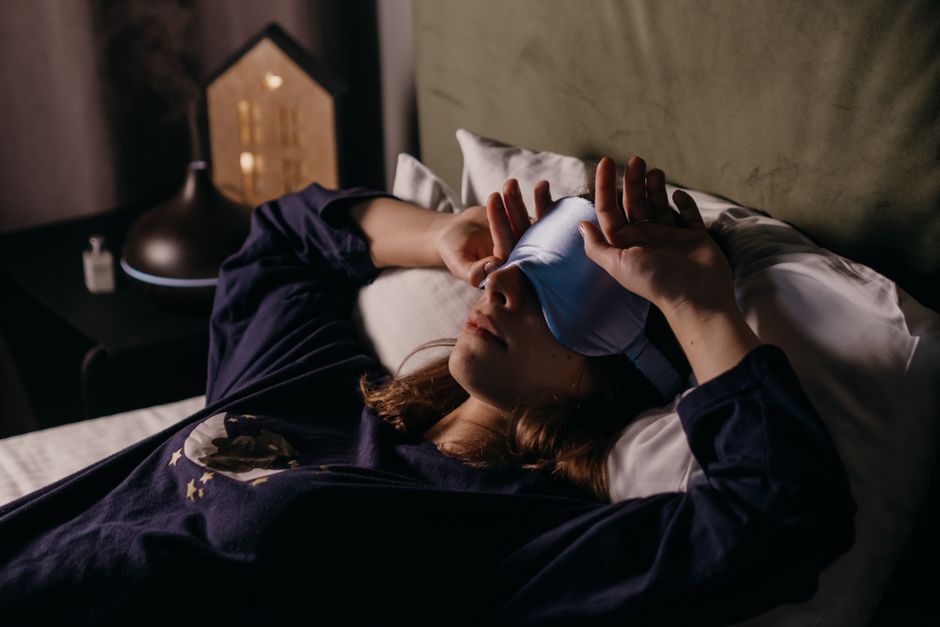
Getting home after a late-night strike is its own kind of hell. Your body is physically exhausted, but your brain is still running light plots and safety checks. This is where a full spectrum tincture can be a massive assist for your nighttime routine.
By taking a sublingual dose about 30 to 45 minutes before you plan to actually fall asleep, you give your body time to absorb the cannabinoids. It doesn't force sleep; it just provides the environment for your body to *allow* sleep. It’s like dimming the house lights before the show; it signals to your system that the work day is done, the strike is finished, and it’s time to move on to the next scene.
Final Thoughts: Don't Buy the Hype, Buy the Science
At the end of the day, wellness isn't about magical substances; it's about making smart choices for your own longevity. After 11 years in NoHo rehearsal rooms, I’ve realized that the best tools are the ones that are transparent, consistent, and effective.
If you’re going to explore full spectrum CBD, treat it like any other piece of gear. Check the COA, make sure the dosage is clearly defined, and understand that the "entourage effect" is a potential boost—not a magic wand. Keep your expectations grounded, prioritize high-quality manufacturing, and don't let flashy marketing sell you a product that wouldn't hold up under a stage light inspection.
Stay hydrated, keep your cues tight, and take care of your body—because that 10:30 PM strike is always waiting for you.