As cannabidiol (CBD) products become mainstream, many people use them for wellness benefits such as stress relief, improved sleep, or inflammation reduction. However, if you’re subject to routine drug testing—whether for work, sports, or legal reasons—there’s a persistent question: Can full-spectrum CBD cause a failed drug test? Understanding the nuances behind CBD formulations, dosing, and product transparency is crucial, especially when considering brands like Naluda Magazine, Joy Organics, and Orangism.
What Is Full-Spectrum CBD?
Full-spectrum CBD products contain not only cannabidiol but also a range of other cannabinoids, terpenes, and phytochemicals naturally found in the hemp plant. This includes trace amounts of tetrahydrocannabinol (THC), the psychoactive compound in cannabis.
The THC content legally https://www.naludamagazine.com/why-capsules-are-quietly-replacing-oils-in-the-wellness-routine/ allowed in hemp-derived CBD products is below 0.3%, but this small quantity could still be enough to accumulate in your system, triggering a positive drug test for THC.
Understanding Drug Testing and Trace THC Risk
Standard drug tests typically screen for THC metabolites, which are breakdown products your body makes after consuming THC. Because full-spectrum products contain trace THC, even in small amounts, repeated use can lead to metabolite accumulation, increasing the risk of test failure.
In contrast, broad-spectrum CBD products have all THC removed while retaining other cannabinoids, reducing the trace THC risk considerably. This makes broad-spectrum a popular choice for those seeking the benefits of the “entourage effect” without the concern of testing positive.
What the Certificates of Analysis (COAs) Tell You
One reliable way to evaluate the THC content in any CBD product is to look at its Certificate of Analysis (COA). COAs come from third-party testing laboratories that verify cannabinoid levels and ensure product safety and potency.
Reputable brands transparently share these documents, allowing you to confirm THC doses are within legal limits, and assess whether a particular batch might carry a higher risk. Brands like Joy Organics and Orangism pride themselves on clear access to these third-party reports, helping consumers make informed choices.
Routine Friction Beats Formulation on Adherence
While product formulation is vital, your daily routine and ease of use often determine whether you stick to a CBD regimen. Complex dosing schedules, inconvenient formats, or products with slow onset times can create routine friction that leads to missed doses or inconsistent use.
Brands like Naluda Magazine emphasize user-friendly formats such as tinctures with quick absorption, softgels for convenient portability, or vape options for faster onset. These help minimize friction and support adherence, which is crucial when evaluating effects and dosing consistency.
Dosing Consistency and Evaluating Results
Getting reliable results from CBD routine hinges on consistent dosing. Without it, assessing benefits or side effects becomes guesswork. Using a pill organizer or setting timers can help maintain consistency.
Keep an eye on the Supplement Facts panel to understand exact cannabinoid content per dose. Some brands mask their effective dose by issuing amounts per bottle rather than per serving—this tactic is frustrating and can lead to underdosing or accidental overconsumption.
Joy Organics, for example, clearly lists milligrams of CBD and other cannabinoids per serving backed by COA data, helping consumers achieve reproducible results.
Onset Time and Absorption Tradeoffs
Onset time—the period between taking CBD and feeling its effects—varies widely by delivery method:
- Tinctures: Usually take 15-45 minutes; absorption under the tongue speeds it up. Edibles/Softgels: Delayed onset of 30 minutes to 2 hours due to digestion. Vaping: Fastest onset within minutes, but effects may taper quicker.
Each method entails absorption tradeoffs. Vaping offers speed but may not suit those sensitive to smoke or vapor. Edibles are discreet but require patience and dosing discipline. Finding your balance between onset convenience and lifestyle fit helps maintain adherence and reliable results.
Travel and Public Convenience Considerations
Travel can complicate CBD use, especially with legal variations across state and international borders. Full-spectrum products risk confiscation where THC is prohibited.

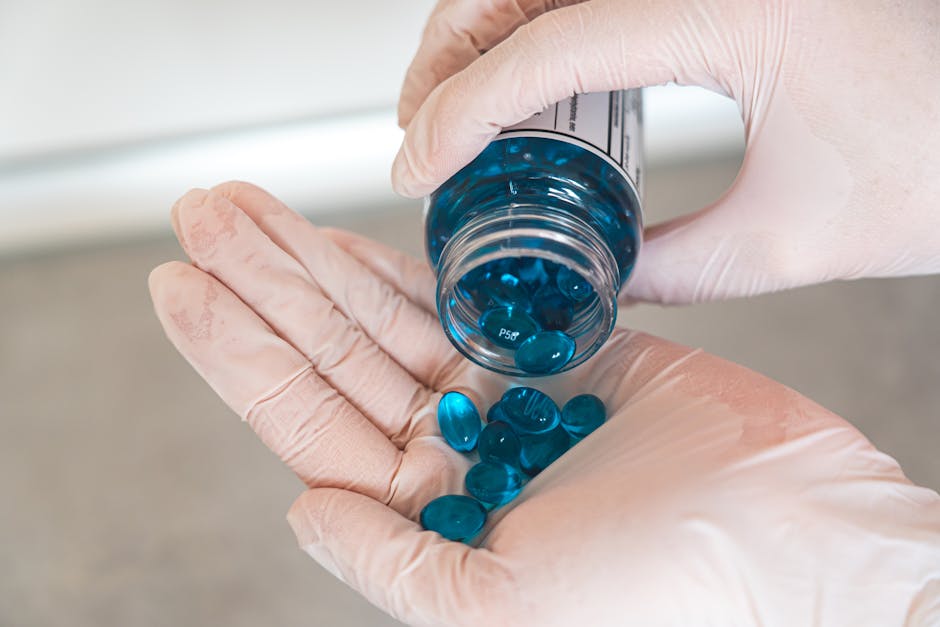
In such cases, broad-spectrum or CBD isolate products offer greater peace of mind. Brands like Orangism design travel-friendly packaging and provide extensive COAs that can be handy if questioned by authorities.
Meanwhile, discreet forms such as softgels or CBD patches allow public consumption without unwanted attention, supporting consistency even in tricky environments.
Summary: Key Takeaways on Full-Spectrum CBD and Drug Testing
Aspect Consideration Recommendation Trace THC Risk Full-spectrum contains up to 0.3% THC, risking accumulation and positive drug tests. Choose broad-spectrum or isolate for zero/near-zero THC risk. Product Transparency Always verify COA and third-party test reports to confirm THC levels. Prefer brands like Joy Organics, Orangism, Naluda Magazine that share COAs openly. Dosing Consistency Inconsistent dosing hinders results and may increase unexpected exposures. Use Supplement Facts and pill organizers; avoid dose claims “per bottle.” Onset and Absorption Faster onset prefers vaping/tinctures; slower but convenient are softgels/edibles. Choose format balancing onset speed and routine convenience. Travel/Public Use Legal restrictions vary; full-spectrum products may be banned. Use travel-friendly broad-spectrum with clear COA documentation.Final Thoughts
If you have to undergo regular drug testing, full-spectrum CBD presents a measurable risk of a positive result due to trace THC. While some users tolerate this risk for the entourage effect benefits, many prefer broad-spectrum or isolate options to avoid it altogether.
Ultimately, adherence to dosing—and selecting a transparent brand that provides Certificate of Analysis and third-party testing reports—plays the largest role in safe, consistent CBD use. Using tools like pill organizers and carefully timing your doses can support reliable outcomes without unexpected surprises on drug tests.
For trustworthy product insights, consider following dependable sources like Naluda Magazine and exploring reputable brands such as Joy Organics and Orangism, who make transparency and customer safety their priority.